Invoice Terms That Get You Paid on Time
Getting paid is a process, not a hope. Set terms the customer can follow, send the invoice early, and follow up on a schedule.
An invoice is not a request for a favour. It is the last step of a commercial agreement, and the terms should be agreed before the work begins. Most late payments are not a customer deciding to keep the money; they are a document that arrived late, lacked a purchase order number, went to the wrong inbox, or gave no clear date. Fix the document and the follow-up, and a surprising amount of the delay disappears.
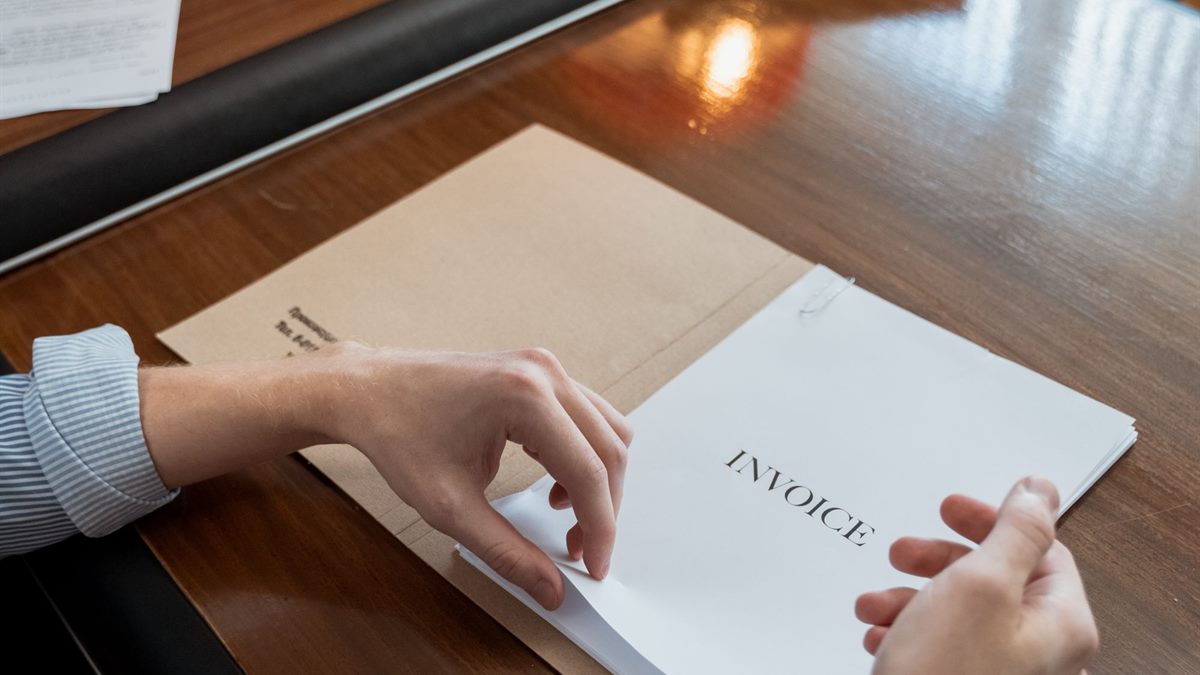
Put the terms in the quote, not only on the invoice
The customer should know the due date, the deposit, and the late-payment position before they accept the job. If the terms appear for the first time on the invoice, you are negotiating after the work is done, which is the weakest position. State the payment window in days, not "on receipt", and give a calendar date as well. "Due within 14 days" is clear; "due on receipt" invites interpretation.
For larger jobs, split the payment. A deposit before materials are ordered and a second payment at a milestone protect you from financing the whole project. The split should reflect your cash exposure, not a hopeful guess.
Make the invoice easy to act on
The customer's accounts team processes what it can match quickly. Missing details create a query, and a query creates a delay that is nobody's fault and your problem.
- Reference: the purchase order or project number the customer uses internally.
- Due date: the exact date and the number of days allowed.
- Amount and tax: a clear subtotal, tax line, and total, with the currency stated.
- Payment method: one preferred route, with the account details and a reference to quote.
- Late terms: any fee or interest that applies, stated plainly and agreed in advance.
Send the invoice as a PDF and, if the customer uses a portal, upload it there as well. Keep the email short: what the work was, the amount, the due date, and the attachment. Long covering notes get skimmed.

Follow a rhythm instead of sending reminders randomly
Set a schedule and stick to it. A short, polite message before the due date is more effective than an angry one after it. The rhythm can be simple: a confirmation on day one, a reminder three days before the due date, a call on the due date, and a written follow-up at seven and fourteen days past due. Each message should restate the invoice number, the amount, and the date, and end with a clear next step.
Keep the tone neutral. You want the payment, not the argument. If the customer raises a dispute, ask for the specific item in writing and agree a date to resolve it. A partial payment against an undisputed portion is better than a full stop.
Record everything and review the pattern
Keep the quote, the approval, the invoice, the delivery proof, and the follow-up messages together. If the relationship breaks down, that file is your evidence. If a customer is consistently late, change the terms for the next job: a deposit, shorter terms, or milestone billing.
Invoicing is also an accounting task. The IRS explains why good records matter and what to keep in its recordkeeping guidance. Before you extend credit to a new customer, check that the margin can survive the wait; our guide to product margin calculation shows how to test that number.
Frequently Asked Questions
What payment terms should a small business use?
Fourteen days is common for small jobs and thirty for larger ones. Shorter terms improve cash flow but must match how the customer processes invoices. Agree the terms in the quote.
Can I charge interest on a late invoice?
Only if the terms were agreed in advance and the relevant law allows it. State the rate and how it is calculated in the quote, and apply it consistently rather than as a threat.
How many reminders should I send?
A confirmation, a pre-due reminder, a call on the due date, and written follow-ups at seven and fourteen days cover most cases. Keep each message short and factual.
What if the customer disputes part of the invoice?
Ask for the disputed items in writing, resolve them against the agreed scope, and invoice the undisputed portion. Do not stop communicating while the dispute is open.