Bank Account Fees: What You Pay and How to Stop
A bank account should hold your money, not quietly charge rent. Read the fee schedule and remove the avoidable charges.
Bank fees are easy to ignore because each one is small and arrives inside a statement you skim. Add them up over a year and they behave like a subscription you never agreed to: a monthly maintenance charge here, an out-of-network ATM fee there, an overdraft at the worst possible moment. The first step is not to switch banks; it is to read the fee schedule for the account you already hold.
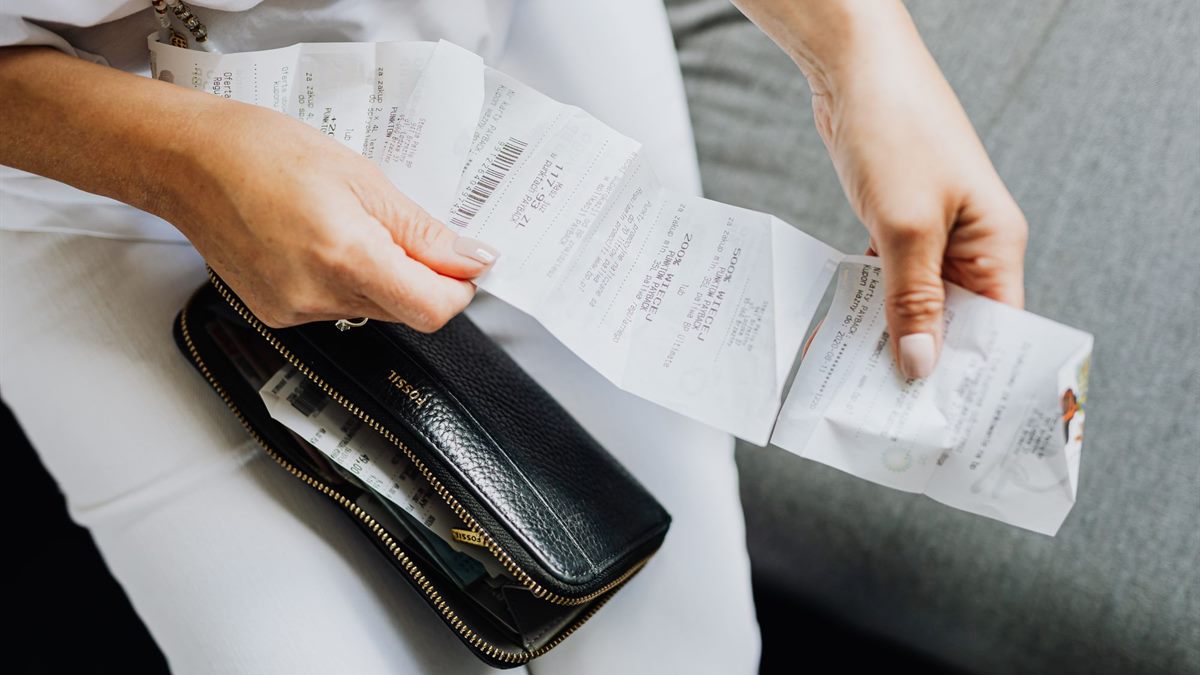
Read the schedule like a bill
Ask for the current fee schedule, not the marketing page. You are looking for the monthly maintenance fee and the conditions that waive it, ATM charges inside and outside the network, overdraft and insufficient-funds fees, foreign transaction fees, paper statement fees, and charges for inactivity or for falling below a minimum balance. Write the amount and the waiver condition next to each one.
Many accounts waive the monthly fee if you receive a minimum deposit, keep a minimum balance, or make a set number of card payments. If you already meet the condition, check that the bank is applying it; an account opened years ago may still be on an older fee structure that a simple call can update.
Know which charges are avoidable
Not every fee can be removed, but most can be predicted. The expensive ones are usually the ones triggered by a surprise.
- Monthly maintenance: often waivable by meeting a deposit or balance condition.
- Out-of-network ATM: the machine owner and your bank may both charge; use in-network machines or take cash back at a till.
- Overdraft: usually the largest single fee and the easiest to avoid with a buffer or a lower-cost overdraft setting.
- Foreign transaction: charged when you pay or withdraw abroad; a card without the fee can save more than the annual cost of the account.
- Paper statements and inactivity: switch to digital and keep a small recurring transaction on dormant accounts.
The overdraft deserves special attention. A 35 charge on a 20 shortfall is an effective cost of 175 percent for the days until you repay it. That is not a fee for a service; it is a penalty for a timing mistake.
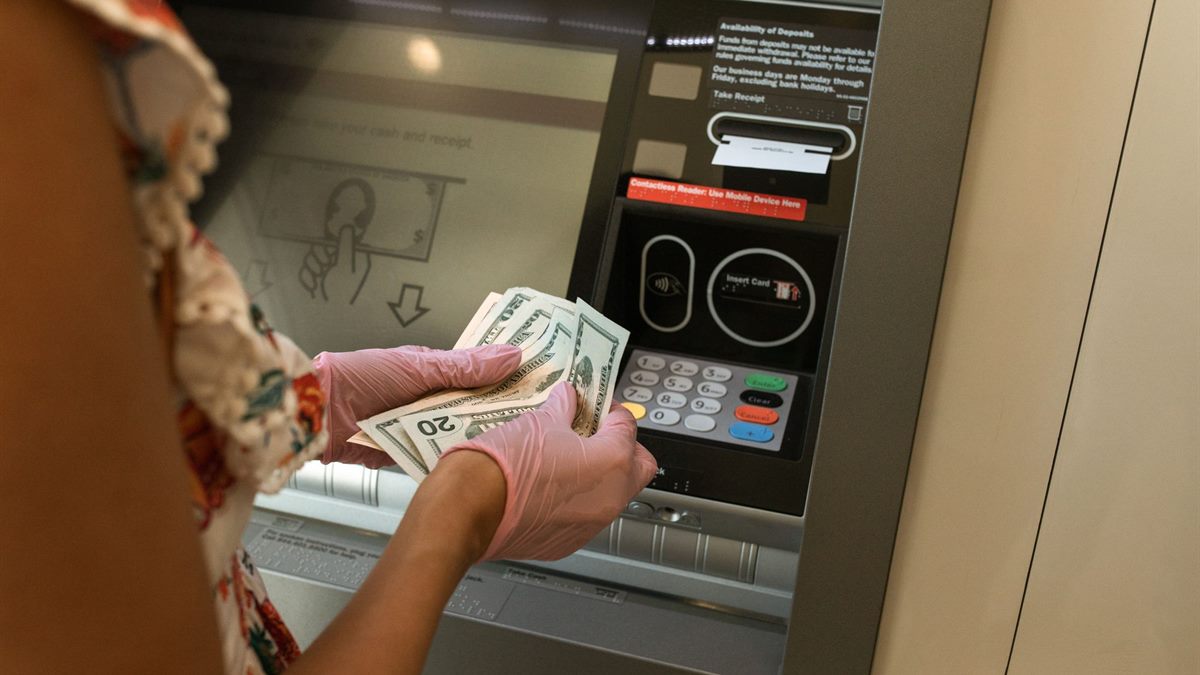
Set the account up to avoid the trap
Turn on low-balance alerts, link a savings account as a backup, and ask whether the bank offers a no-overdraft setting that simply declines the payment. A declined card is inconvenient; a 35 charge plus a returned payment fee from the merchant is worse. Keep a small buffer in the current account so a bill that arrives a day early does not push you below zero.
Review the statement once a month and circle every fee. Call and ask for a refund on the first overdraft in a long time; many banks will reverse one as a courtesy, but they will not offer if you do not ask. If the same fee appears three months running, the account is no longer the right product.
Switch with a checklist, not in a panic
Open the new account before closing the old one. Move direct deposits and automatic payments first, keep both accounts open for one full cycle, and leave a small balance in the old account until every pending payment has cleared. Confirm that the new account has the same deposit protection as the old one; in the United States, the FDIC explains deposit insurance and the limits that apply.
If you send money abroad regularly, the account fee is only part of the cost. Our guide to cheaper ways to send money across borders explains the exchange margin that often costs more than the visible fee.
Frequently Asked Questions
Can I get an overdraft fee refunded?
Sometimes. Call and ask, especially if it is your first overdraft in a long time or the bank made an error. A courtesy reversal is common but not guaranteed, and repeated requests are less likely to succeed.
Is a free account really free?
Only if you meet the conditions. Check the waiver rules for the monthly fee and the cost of ATMs, transfers, and overdrafts. A free account with expensive habits is not free.
Should I close an unused account?
Close it if it charges a fee and you cannot waive it. Otherwise keep a small recurring transaction and a buffer so inactivity does not trigger a charge or a closure.
Are credit union fees lower?
Often, but not automatically. Compare the full schedule, the ATM network, and the deposit protection. The institution type matters less than the specific terms.